Eco-Conscious Strategies for PPE Waste Management
Eco-Conscious Strategies for PPE Waste Management
The global response to pandemics, particularly COVID-19, has intensified the use of Personal Protective Equipment (PPE) worldwide. While these items are crucial for health and safety, the surge in disposable masks, gloves, gowns, and face shields has led to a significant environmental challenge. Eco-conscious strategies for PPE waste management are more vital than ever to reduce pollution, conserve resources, and protect future generations.

Introduction to PPE Waste and Environmental Concerns
PPE items are typically designed for single use and made from non-biodegradable plastics such as polypropylene and polyethylene. With billions of PPE items discarded daily, traditional waste disposal methods--like incineration or landfill--are falling short and contributing to microplastic pollution, toxic emissions, and overflowing waste facilities. This article explores innovative, practical, and sustainable solutions for managing PPE waste, balancing hygiene needs with environmental responsibility.
Understanding PPE Waste: Types and Challenges
The Spectrum of PPE Waste
- Masks: Surgical, N95, cloth masks, and face shields
- Gloves: Latex, nitrile, and synthetic blends
- Gowns and Coveralls: Various plastic and fabric materials
- Shoe covers, Hairnets, Eye protection: Additional disposable protective gear
Key Challenges in PPE Waste Management
- Volume: Unprecedented use has far outweighed existing waste processing capabilities.
- Contamination Risk: PPE can carry infectious agents, complicating collection and treatment.
- Material Composition: Many PPE items are multi-layered or composite, impeding recycling.
- Public Awareness: Consumers often lack guidance on safe and proper disposal.
Why Eco-Conscious PPE Waste Management Matters
Adopting environmentally friendly PPE disposal methods is not just ethical; it's essential for:
- Preventing microplastic pollution in oceans, soils, and food chains
- Reducing carbon footprint from incineration and manufacturing
- Conserving landfill space and mitigating toxic leachate
- Encouraging circular economy principles within the healthcare and consumer sectors
Eco-Conscious Strategies for PPE Waste Management
1. Source Reduction: Minimizing Unnecessary PPE Use
The most sustainable waste is that which never gets created:
- Promote Reusable PPE: Encourage the use of washable cloth masks, reusable gowns, and face shields where contamination risk is low. These alternatives significantly reduce the volume of single-use waste.
- Optimize Distribution: Provide PPE only as needed, preventing hoarding and unnecessary disposal.
- Education and Training: Proper training for staff and the public on PPE use can limit excess consumption and promote sustainability-minded choices.
2. Safe Segregation and Collection
Segregating contaminated PPE from general waste is crucial for both safety and recycling:
- Designated Bins: Install clearly marked PPE disposal bins in public spaces, hospitals, and workplaces to prevent littering and ensure appropriate collection.
- Hands-Free Solutions: Use bins with foot pedals or motion sensors to reduce cross-contamination risks.
Example: Singapore's National Environment Agency deployed color-coded bins for mask disposal, significantly improving collection safety and efficiency.
3. Disinfection and Pre-Treatment Technologies
Decontaminating PPE waste before further processing reduces health hazards:
- UV Sterilization: Ultraviolet light ducts or chambers can rapidly neutralize viruses and bacteria on PPE.
- Autoclaving: High-pressure steam is effective for sterilizing hospital PPE waste, making it safer to handle for recycling or conversion.
- Ozone and Chemical Sprays: Used for bulk community-generated PPE collections to ensure pathogen-free handling.
4. Advancing PPE Recycling Technologies
Although PPE is traditionally non-recyclable due to contamination risk and mixed materials, innovative recycling strategies for PPE waste management are emerging:
- Mechanical Recycling: Some facilities now shred and melt cleaned PPE (such as masks) to produce plastic pellets for construction materials or park benches.
- Chemical Recycling: Advanced processes use solvents or pyrolysis to break down PPE into basic monomers, recovering feedstocks for new plastics.
- Dedicated PPE Recycling Bins: Programs like TerraCycle collect and recycle single-use masks and gloves into new products.
Tip: Partner with local or global recycling initiatives to divert PPE waste from landfill and foster a sustainable supply chain.
5. Upcycling and Repurposing Solutions
Upcycling transforms PPE waste into value-added products, reducing environmental impact and supporting community initiatives:
- PPE Bricks: Indian innovators have created plastic bricks from used masks and gloves for construction and road-building.
- Plastic Filament: Startups repurpose clean PPE into 3D printing filament for prototyping and manufacturing.
- Furniture and Art: Creative designers convert PPE into furniture, decorative art, and public awareness installations.
Case Study: "The Mask Brick Project" in India is pioneering mass-scale upcycling of disposable PPE waste into affordable, durable building materials for low-income housing.
6. Sustainable PPE Procurement and Circular Design
- Biodegradable PPE: Support the development and purchase of masks, gowns, and gloves made from plant-based or easily compostable materials (e.g., polylactic acid, bamboo fiber) to close the sustainability loop.
- Modular PPE Design: Encourage manufacturers to create PPE with easily separated parts for simplified recycling and reduced mixed-material waste.
- Manufacturer Take-Back Programs: Advocate for PPE suppliers to offer take-back or closed-loop recycling options for used products.
IDTechEx forecasts that biodegradable PPE could reduce the environmental footprint of PPE waste by over 80% by 2030.
7. Community Awareness and Behavior Change
Lasting impact stems from shifting public behaviors and institutional practices:
- Education Campaigns: Launch clear, accessible messaging on how, where, and why to dispose of PPE responsibly.
- Visible Signage and Instructions: Use pictorial and multilingual signage for correct PPE waste disposal in public places.
- Incentivize Returns: Offer discounts, loyalty points, or public recognition for PPE return and recycling participation.
Example: The City of Milan partnered with local artists to design PPE waste bins that double as informative installations, raising awareness while keeping communities safe and clean.
Best Practices for Eco-Friendly PPE Waste Disposal
- Never dispose of PPE in general recycling bins--most facilities cannot process contaminated materials and require specialized treatment.
- Bag and seal PPE waste securely before disposal to minimize the risk of contamination and litter.
- Avoid littering; masks and gloves discarded on streets can end up in waterways and natural habitats.
- Seek out and support formal PPE recycling programs--these ensure proper handling, sorting, and upcycling of discarded items.
- Encourage family, friends, and colleagues to follow eco-conscious PPE disposal strategies, multiplying sustainability's positive effects.
Compliance and Regulatory Considerations
- Adhere to local and international waste regulations: Many countries have specific rules for disposing of potentially infectious PPE. Understanding and complying with these is essential.
- Monitor and report illegal dumping: Help authorities crack down on detrimental practices such as open burning or improper landfill use.
- Advocate for policy change: Public pressure can prompt governments and corporations to invest in greener PPE solutions and more robust waste management infrastructure.
The Role of Innovation in Sustainable PPE Waste Management
Rapid advances in materials science, microbiology, and waste engineering are creating new sustainable PPE disposal solutions:
- Smart Bins: IoT-enabled containers track fill levels and trigger collection, optimizing logistics and reducing overflow.
- Self-Cleaning Materials: PPE with built-in antimicrobial properties extend safe usage periods, further cutting down waste.
- Biodegradable Additives: Researchers have developed polymer additives that speed up the breakdown of synthetic PPE in landfill environments.
Example: "BioMask" projects in Europe promise compostable masks that degrade within weeks instead of centuries.
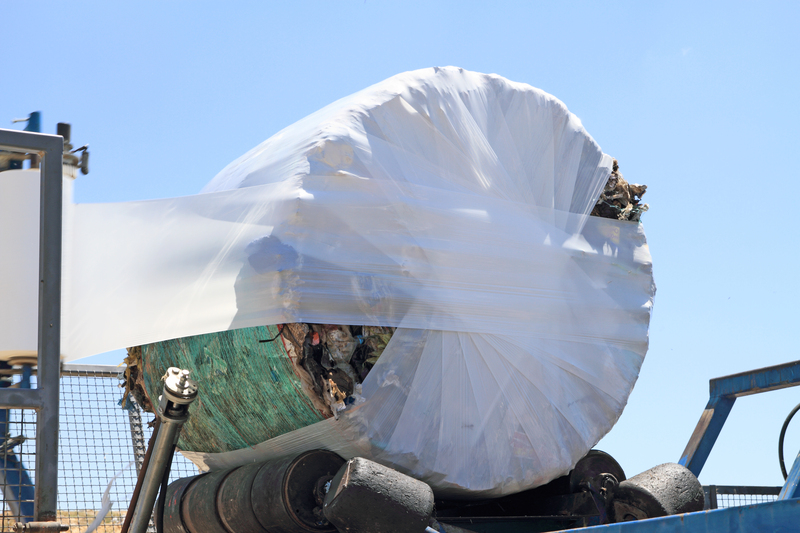
Steps Toward a Circular PPE Economy
A circular economy for PPE waste management prioritizes resource conservation, waste reduction, and innovation:
- Design PPE for recyclability and reuse from the outset
- Educate users and organizations about the importance of lifecycle thinking
- Incentivize companies to adopt product responsibility and closed-loop systems
- Invest in infrastructure for collecting, processing, and reintroducing PPE waste as raw materials
Key Partnerships
- Healthcare Facilities: Major generators of PPE waste; partner to pilot new collection and recycling methods.
- Manufacturers: Work closely to ensure PPE meets both safety and sustainability benchmarks.
- Municipalities and Waste Companies: Collaborate to streamline collection and build scalable eco-conscious disposal systems.
- Academia and NGOs: Support research and public engagement campaigns for data-driven, people-focused strategies.
Conclusion: Toward a Greener Future
The proliferation of PPE has protected countless lives--but it has come at a hidden environmental cost. By embracing eco-conscious strategies for PPE waste management, individuals, businesses, and policymakers can work together to mitigate this crisis. From source reduction and innovative recycling to community education and green procurement, every action brings us closer to a sustainable, circular economy for protective equipment.
As we move forward, it's crucial to balance safety with sustainability, ensuring that our environmental stewardship is as robust as our commitment to public health. Let us be mindful of the waste we generate, choose greener options wherever possible, and champion systemic change to manage PPE waste responsibly.
Together, these eco-friendly PPE waste management strategies will help protect both people and the planet--today and for generations yet to come.
