Builders Waste Clearance in Millbank
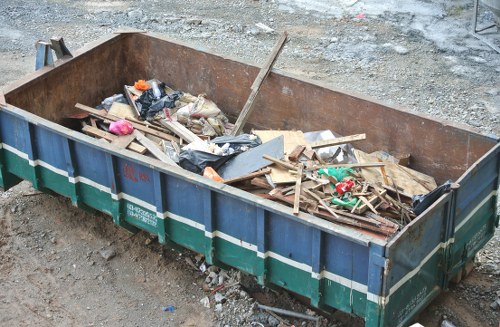
When undertaking construction or renovation projects in Millbank, effective waste management is crucial. Builders waste clearance in Millbank ensures that debris, leftover materials, and unwanted items are removed efficiently, keeping the site safe and compliant with local regulations.
Proper waste clearance not only maintains the aesthetics of the area but also promotes environmental sustainability by ensuring that recyclable materials are processed appropriately. Partnering with a reliable waste clearance service can significantly streamline your construction process.
Understanding the types of waste generated during building projects is the first step towards effective clearance. From concrete and wood remnants to packaging materials and metal scraps, identifying these helps in selecting the right disposal methods.

Why Builders Waste Clearance is Essential
Builders waste clearance is an integral part of any construction project. It ensures that the worksite remains organized, reducing the risk of accidents and enhancing productivity.
Moreover, proper waste management contributes to environmental conservation by minimizing landfill usage and promoting recycling efforts. In Millbank, where urban development is ongoing, maintaining a clean construction site is vital for community well-being.
Additionally, adhering to waste clearance protocols helps in complying with local laws and regulations, avoiding potential fines and legal issues. It reflects a commitment to responsible construction practices and corporate social responsibility.
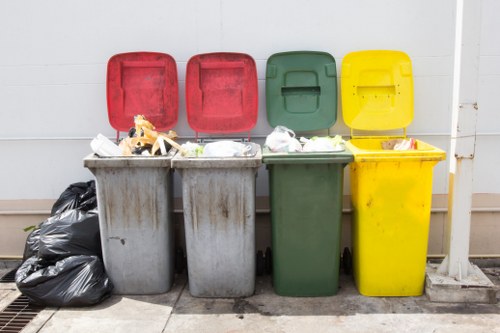
Types of Builders Waste
Construction Debris
Construction debris includes materials like concrete, bricks, wood, and metal scraps. These materials are often heavy and require specialized handling and disposal.
Packaging Materials
Packaging materials such as cardboard, plastic wraps, and foam are commonly generated during the delivery of building materials. Proper disposal or recycling of these items is essential to reduce environmental impact.
Hazardous Waste
Some construction projects may produce hazardous waste, including paints, solvents, and asbestos. Safe handling and disposal of these materials are critical to prevent harm to workers and the environment.

Steps for Effective Waste Clearance
- Assessment: Evaluate the types and quantities of waste generated.
- Segregation: Separate recyclable materials from non-recyclable ones.
- Collection: Use appropriate containers and vehicles for waste removal.
- Disposal: Ensure waste is taken to authorized recycling centers or landfills.
- Documentation: Keep records of waste management activities for compliance.
Implementing these steps ensures a streamlined waste clearance process, enhancing efficiency and sustainability in your construction projects.
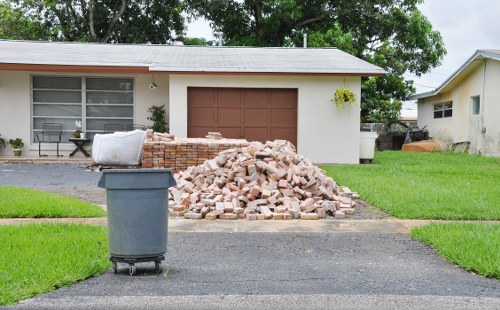
Choosing the Right Waste Clearance Service in Millbank
Selecting a reputable waste clearance service is paramount for successful builders waste management. Consider factors such as experience, range of services, and adherence to environmental standards.
Look for companies that offer comprehensive waste clearance solutions, including collection, recycling, and disposal. Verify their certifications and compliance with local regulations to ensure reliability and professionalism.
Additionally, prioritize services that provide timely and flexible solutions to accommodate your project schedules. Transparent pricing and excellent customer support are also key indicators of a trustworthy waste clearance provider.
Benefits of Professional Waste Clearance
- Efficiency: Professional services handle waste removal swiftly, minimizing project delays.
- Safety: Proper waste management reduces hazards on the construction site.
- Environmental Impact: Experts ensure that waste is recycled or disposed of responsibly.
- Cost-Effective: Prevents potential fines and reduces the need for additional labor.
Investing in professional waste clearance services ultimately contributes to the success and sustainability of your building projects in Millbank.

Environmental Benefits of Proper Waste Clearance
Effective builders waste clearance plays a significant role in environmental conservation. By segregating and recycling materials, the amount of waste sent to landfills is significantly reduced.
Recycling materials like metal, wood, and concrete not only conserves natural resources but also decreases the energy required for producing new materials. This contributes to lowering the overall carbon footprint of construction activities.
Moreover, responsible waste management prevents pollution and protects local ecosystems from the harmful effects of construction debris. It fosters a cleaner and healthier environment for the community around Millbank.
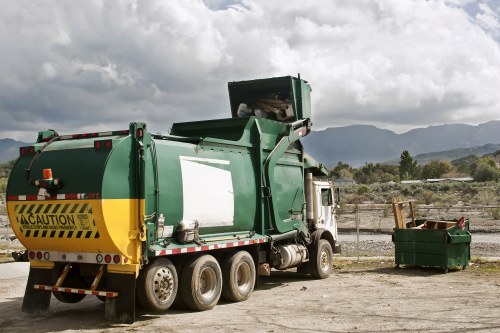
Regulatory Compliance and Waste Management
Compliance with local regulations is a crucial aspect of builders waste clearance. Authorities in Millbank have specific guidelines to ensure that construction waste is managed responsibly.
Failure to adhere to these regulations can result in hefty fines and legal repercussions. It is essential to stay informed about the latest waste management laws and ensure that your practices align with them.
Partnering with a waste clearance service familiar with local regulations can simplify the compliance process, ensuring that all waste is handled according to legal standards.
Key Regulations to Follow
- Waste Disposal Permits: Obtain necessary permits for waste transportation and disposal.
- Recycling Requirements: Ensure that recyclable materials are processed appropriately.
- Hazardous Waste Handling: Follow protocols for the safe disposal of hazardous materials.
- Reporting Obligations: Maintain records of waste management activities as required by law.
Adhering to these regulations not only avoids penalties but also promotes sustainable construction practices.

Cost-Effective Waste Clearance Solutions
Managing builders waste clearance in Millbank efficiently can lead to significant cost savings. By optimizing waste management processes, construction projects can reduce overhead expenses related to waste disposal.
Implementing recycling initiatives can lower disposal costs and sometimes even generate revenue through the sale of recyclable materials. Additionally, efficient waste clearance minimizes the need for additional labor and resources, further cutting costs.
Investing in a professional waste clearance service can provide long-term financial benefits by ensuring that waste is handled effectively and sustainably, aligning with both budgetary constraints and environmental goals.
Strategies for Cost Reduction
- Material Reuse: Identify opportunities to reuse materials within the project.
- Efficient Scheduling: Schedule waste removal in batches to reduce transportation costs.
- Bulk Disposal: Opt for bulk waste clearance services to benefit from discounted rates.
- Regular Audits: Conduct waste audits to identify and eliminate inefficiencies.
Employing these strategies can enhance the economic feasibility of your construction projects while maintaining high standards of waste management.
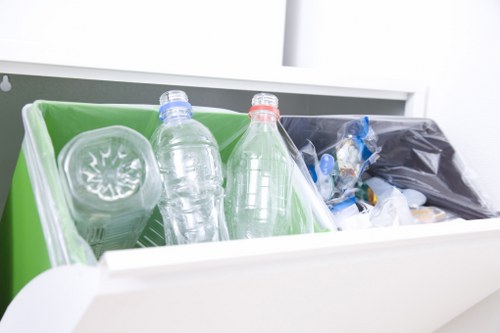
Innovations in Builders Waste Clearance
The waste management industry is continually evolving, with new technologies and practices enhancing the efficiency of builders waste clearance.
Advanced sorting systems and automation are streamlining the separation of recyclable materials, increasing the rate of material recovery. Additionally, the integration of digital tracking systems ensures transparency and accountability in waste management processes.
Green technologies, such as waste-to-energy conversion, are also gaining traction, providing sustainable solutions for disposing of non-recyclable waste. These innovations contribute to more effective and environmentally friendly waste clearance practices in Millbank.
Future Trends
- Smart Waste Management: Utilizing IoT devices for real-time monitoring of waste levels.
- Enhanced Recycling Techniques: Developing more efficient methods for material separation and processing.
- Zero Waste Initiatives: Striving for construction projects that generate minimal to no waste.
- Circular Economy: Promoting the reuse and recycling of materials to extend their lifecycle.
Staying abreast of these trends can help construction companies adopt more sustainable and cost-effective waste management practices.

Case Studies: Successful Waste Clearance Projects
Examining successful builders waste clearance projects in Millbank provides valuable insights into best practices and effective strategies.
One notable project involved the construction of a commercial building where the waste clearance team implemented a comprehensive recycling program. This approach not only minimized landfill usage but also reduced overall waste disposal costs by 30%.
Another example is a residential complex project that prioritized the reuse of materials. By carefully segregating and storing reusable items, the project significantly decreased the volume of waste generated, contributing to a more sustainable building process.
Key Takeaways from Case Studies
- Planning: Detailed waste management planning leads to better outcomes.
- Collaboration: Working closely with waste clearance services ensures seamless operations.
- Flexibility: Adapting waste management strategies to project-specific needs enhances efficiency.
- Continuous Improvement: Regularly evaluating and refining waste management practices leads to ongoing success.
These case studies highlight the importance of strategic waste clearance in achieving sustainable and cost-effective construction projects.
Tips for Effective Builders Waste Clearance
Implementing effective builders waste clearance can significantly enhance the efficiency and sustainability of construction projects. Here are some practical tips to achieve this:
- Plan Ahead: Incorporate waste management into the project planning phase to anticipate and address waste generation.
- Segregate Waste: Separate different types of waste to facilitate recycling and proper disposal.
- Use Appropriate Containers: Utilize designated containers for various waste materials to streamline the clearance process.
- Partner with Professionals: Collaborate with experienced waste clearance services to ensure compliance and efficiency.
- Educate Your Team: Train construction workers on effective waste management practices to promote a culture of sustainability.
Adopting these tips can lead to a more organized and environmentally responsible construction site.
Common Challenges in Builders Waste Clearance
Managing builders waste clearance presents several challenges that can impact the construction timeline and budget. Identifying and addressing these challenges is essential for smooth operations.
Limited Space
Construction sites often have limited space for waste storage, making it difficult to manage and segregate materials effectively. Efficient space utilization strategies are necessary to overcome this hurdle.
Regulatory Compliance
Adhering to waste management regulations can be complex and time-consuming. Staying informed and partnering with knowledgeable waste clearance services can help navigate these requirements.
Cost Management
Balancing waste clearance costs with the overall project budget is a common challenge. Implementing cost-effective strategies and choosing the right service provider can mitigate financial strain.
Unexpected Waste Generation
Unforeseen waste generation, such as material overages or unforeseen debris, can disrupt waste management plans. Having contingency measures in place ensures that such situations are handled promptly.
Addressing these challenges through proactive planning and collaboration can enhance the effectiveness of builders waste clearance in Millbank.
Solutions to Overcome Challenges
- Efficient Planning: Anticipate waste generation through detailed project planning.
- Flexible Services: Choose waste clearance services that offer adaptable solutions.
- Budget Allocation: Allocate sufficient funds for waste management to prevent financial bottlenecks.
- Regular Monitoring: Continuously monitor waste levels to adjust clearance schedules as needed.
Implementing these solutions can effectively address the common challenges in builders waste clearance.
The Future of Builders Waste Clearance in Millbank
The future of builders waste clearance in Millbank is poised for significant advancements driven by technology and sustainable practices.
Innovations such as automated sorting systems and smart waste management solutions will enhance the efficiency and accuracy of waste clearance operations. These technologies will enable real-time monitoring and data-driven decision-making, optimizing the entire waste management process.
Furthermore, the emphasis on sustainability will continue to grow, with more construction projects adopting zero-waste goals and circular economy principles. This shift will lead to increased recycling rates and the development of eco-friendly disposal methods.
Adopting Sustainable Practices
- Zero Waste Initiatives: Strive to eliminate waste through reuse and recycling.
- Renewable Resources: Utilize sustainable materials and eco-friendly products in construction.
- Community Engagement: Involve the local community in waste management efforts to foster environmental stewardship.
- Green Certifications: Pursue certifications that demonstrate commitment to sustainable waste practices.
These future trends will not only improve builders waste clearance efficiency but also contribute to a greener and more sustainable Millbank.
Conclusion
Effective builders waste clearance in Millbank is essential for the success of construction projects, ensuring safety, compliance, and environmental sustainability. By understanding the types of waste, implementing strategic clearance processes, and partnering with reliable waste management services, builders can achieve efficient and responsible waste management.
Embracing innovative technologies and sustainable practices will further enhance waste clearance operations, positioning Millbank as a leader in environmentally conscious construction. Invest in professional waste clearance services today to streamline your projects and contribute to a cleaner, greener community.
Contact us today to learn more about our comprehensive builders waste clearance solutions in Millbank and ensure your construction projects are managed responsibly and efficiently.
