Office Clearance in Millbank for organised, practical workspace removal

Office Clearance Millbank provides office clearance in Millbank for organisations that need desks, chairs, filing, fixtures and general workplace contents removed in a planned and orderly way. The work can be scaled to a single room, an entire floor or a larger commercial space, with attention to separating reusable items, recyclables and waste streams where that is appropriate. Our approach is intended to help businesses, landlords and managing agents clear premises without losing control of what remains on site.
The service covers more than lifting items away. It may include sorting contents for removal, leaving designated areas tidy, and handling mixed office items in a way that supports a clearer handover of the space. If you are comparing options, pricing and quotes can help you think through the likely scope of the job. For a wider overview of how we operate, about us is available as a supporting page.
Tell us what needs clearing, what stays and when access is available. If you already know the type of workplace furniture or equipment involved, that helps shape a more accurate proposal. A short description is often enough to start the process. You can also request a quotation by making contact through the site.
Workspace clearance for desks, storage and shared areas
Office clearance work is rarely limited to one type of item. A room may contain workstations, pedestal drawers, meeting tables, shelving, partition pieces, packaging, archive boxes or old presentation equipment. Clearing these items in a sensible sequence helps avoid disruption and makes it easier to leave behind anything still required. When items need to be separated before removal, that process can be handled as part of the service rather than left to the customer to manage alone.
In many premises, the most practical plan is to clear by zone: reception first, then open-plan desks, then storage rooms or side offices. That approach can be useful where different teams still need access to some parts of the building. For businesses considering a broader site clean-down after clearance, waste removal may be relevant as a related service page. If the job is concentrated in a smaller workspace, flat clearance may show the kind of item handling used in compact properties, although the context is different.
What matters most is a clear plan for what should be removed, what should remain and any items that need to be handled carefully. A practical office clearance usually works best when access routes are known in advance, especially in managed buildings with lifts, loading arrangements or shared corridors. If you want to keep the arrangement simple, a concise enquiry is enough to begin. The final step can be a quotation request once the scope is understood.
Fitted furniture, cupboards and bulky office items

Some office clearances involve more than loose furniture. Storage units, cupboards, conference tables, modular seating, reception counters and similar bulky items may need a careful sequence of removal to avoid damage to walls, doors or flooring. Where dismantling is needed, that should be considered as part of the job rather than added on as an afterthought. The aim is to move heavy or awkward pieces safely while keeping the workspace usable for as long as possible.
For premises where furnishings are being refreshed rather than fully emptied, the distinction between removal and disposal matters. furniture clearance is a useful related page where the focus is on taking away items of this type, while furniture disposal may suit customers who mainly want the final destination of those items explained. If the project includes a complete room reset, the planning may also overlap with home clearance style sorting, even though the setting is commercial.
The best results usually come from deciding early which items are to be retained, which are to be removed intact and which may need to be broken down for transport. That is especially relevant for items with glass, metal frames or built-in cable management. A straightforward request for quotation can be based on photos, an item list or a short description of the furnishings involved. If you would like to compare the options before booking, that is a sensible stage at which to enquire.
Archive rooms, papers and storage areas
Office spaces often include archive rooms, underused cupboards and shelves filled with boxed records or older equipment. Clearing these areas may require a different pace from clearing open-plan desks because documents, labels and mixed storage often need sorting before anything is removed. Even when confidential material is not the main concern, a tidy sequence helps avoid accidental loss of items that should stay in the building. In practical terms, this is about organised removal rather than rushed lifting.
Where paperwork, boxed files or long-kept equipment are involved, the customer may want to know how the room will be approached before any work begins. A brief inventory can be helpful, but it does not need to be exhaustive at the first stage. If the job also includes non-office storage spaces such as a spare room or lock-up, garage clearance may offer a useful comparison for larger mixed storage loads. For buildings with loft storage, loft clearance is another relevant related page.
The main decision is whether the area should be cleared in one visit or divided into sections so that essential records and equipment can be checked before removal. That decision often depends on access, the volume of contents and how much sorting is needed on site. A quotation request can mention whether archives, stationery, IT-related items or general storage contents are included. Where the load is mixed, it is better to explain that clearly than to overcomplicate the request.
Clearance for offices in managed buildings and shared premises
Many Millbank offices sit within managed buildings where timing, access and loading arrangements matter as much as the items being removed. In these settings, office clearance may need to fit around lift bookings, reception procedures or restricted entry times. The service is therefore as much about coordination as it is about lifting furniture. A measured approach can reduce disruption to neighbouring tenants and help the clearout run in a more orderly way.
For a building with several occupants, it is useful to know whether the clearance is limited to a single suite or affects a wider area such as a corridor store, utility room or reception zone. That distinction affects how the work is planned and may influence what should be removed first. Where a business is also reviewing sustainability practices, recycling and sustainability sets out related information that may be useful alongside the clearance plan. If payment arrangements are a concern, payment and security is another page worth reading.
When access is limited, the most helpful step is usually to clarify the building rules and the available timeslot before the work is arranged. It is also sensible to note whether there are goods lifts, steps, loading bays or shared entrances that affect the logistics. That way, the quotation can reflect the actual conditions rather than a simplified assumption. If you are ready to proceed, the next step is to ask for a quotation with the key access details included.
Commercial waste, recycling and disposal decisions

An office clearance is often a chance to decide what happens to mixed materials once they leave the building. Office furniture, cardboard, plastic packaging, metal frames and small fittings may need to be separated rather than treated as one broad pile. Thinking through disposal at the start can make the work more efficient and can also support clearer sorting of items that have different handling needs. Where relevant, this is part of a sensible commercial clearance plan.
The type of material involved will affect how the clearance is organised. For example, items that are still serviceable may be handled differently from damaged or obsolete items, and packaging may be grouped separately from hard furniture. Customers who want to understand how this side of the service fits together can look at business waste removal as a related commercial page. For construction-related spaces or refits, builders waste clearance may be relevant if the office work is happening after refurbishing.
It is often best to think about disposal in practical categories rather than trying to classify every item individually. A short note that the job includes chairs, screens, shelving, boxes and mixed light waste is often enough to begin with. If there are items that should not be removed, say so clearly; if there are items that may need to be dismantled, mention that too. The clearer the outline, the more straightforward the quotation process will be.
Planning the clearance and deciding what to include
Not every office clearance needs the same level of preparation, but a little structure at the start usually improves the result. It helps to decide which rooms are included, whether the job is a full strip-out of furniture or a partial clear of selected items, and whether any contents need to remain in place. This is also the point to note special objects, such as locked cabinets, printer stations, or equipment that should be handled separately from standard office furniture.
Good planning saves time on the day and makes the quotation more accurate. If you are arranging the work for a managed building, it is also worth confirming entry arrangements, any restrictions on loading and the permitted time window. Where a business wants a broader services overview, office clearance is naturally central, while about us gives a company overview for customers who want to know more about the business behind the service. For specific enquiries, a contact page may also be available on the website.
When you ask for a quotation, a concise summary is usually enough: the site, the rooms involved, the kinds of items present and any timing pressures. If photos are available, they can help, but they are not the only way to start. A clear description of the scope is more important than a long explanation. From there, the quotation can reflect the actual work rather than a generic estimate based on assumptions.
Office contents that need extra care
Some office items call for a steadier, more considered approach than standard desks and chairs. Fragile display items, framed wall pieces, screens, IT peripherals, lockable storage units and items with mixed materials may need to be moved in a particular order. Care also matters where floor surfaces, glass partitions or fitted joinery could be affected by dragging or accidental impact. The aim is to remove contents cleanly while respecting the fabric of the premises.
Where a workplace includes mixed equipment, it can be sensible to separate the clearance into categories before removal. That might mean keeping documents with the right team, taking out broken furniture first, and leaving reusable pieces until access is clearer. For customers who are dealing with a workplace and adjoining domestic rooms, house clearance can be a useful related reference, while garage clearance remains relevant for robust storage-heavy items. The pages are different, but the need for order is similar.
It is also worth saying if any item is awkwardly sized, fixed in place or likely to need dismantling before movement. That avoids surprises and helps the job proceed in a controlled way. Clearances of this type are generally easier when there is a simple list of the main contents, even if that list is not fully detailed. If you are at the stage of comparing approaches, keep the enquiry brief and ask for a quotation based on the current layout.
Millbank as a central Westminster district
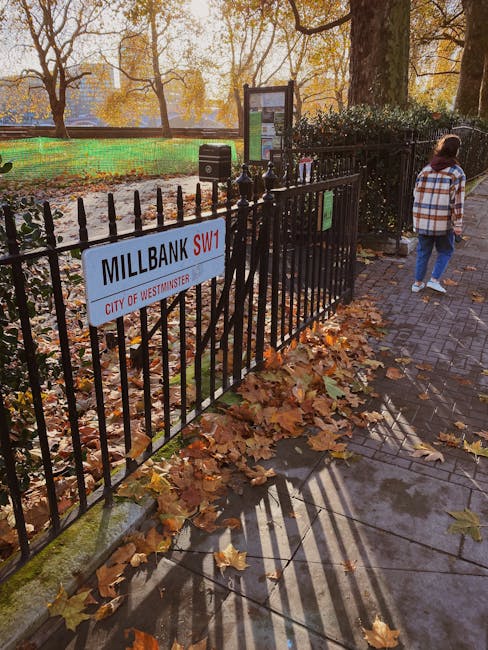
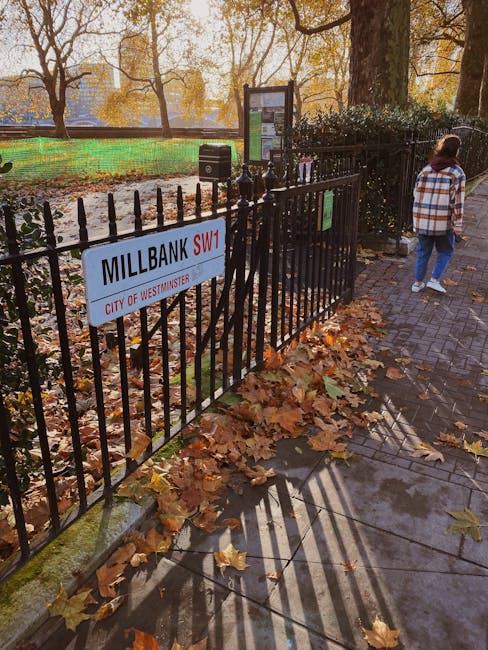
Millbank lies on the north bank of the River Thames in central London and forms part of the City of Westminster. The area is closely associated with riverside institutions, government buildings and formal streets laid out around the Thames embankment. Its character has been shaped by long-term public, administrative and cultural uses rather than by a single town centre. The riverside setting, with views across to the southern bank, gives the district a distinctive open feel compared with many inner-city streets.
The name Millbank is linked to historic marshland and an earlier watermill, and the area later became known for institutional development, including the old Millbank Penitentiary site. Over time, major changes in land use brought a different urban form, with substantial civic and commercial buildings replacing earlier functions. The Tate Britain gallery, one of the district’s best-known landmarks, stands on Millbank and anchors its identity as a place of art, architecture and public life. Nearby streets connect to Westminster, Pimlico and the wider river corridor.
Millbank’s streetscape includes government offices, riverside paths and buildings that reflect varied periods of London development. The area is notable for its relationship with the Thames, its institutional history and its proximity to Parliament and other parts of central Westminster. For residents and visitors alike, it is a place where transport links, river frontage and formal architecture sit close together. That combination gives Millbank a measured, central-London atmosphere that is distinct from more purely residential neighbourhoods nearby.
Choosing the right scope for a quotation

A clear quotation starts with a sensible description of the scope. The main factors are usually the size of the office, the quantity and type of furniture, whether the contents are mixed with archive storage or packaging, and how straightforward access will be on the day. If there are lifts, loading restrictions or building rules, those details should be included. It is also helpful to mention whether the clearance is partial, phased or a complete emptying of the space.
For customers comparing services, it can help to think about whether the job is mainly furniture-led, waste-led or a full commercial clearout. furniture clearance is relevant where the priority is desks and seating, while business waste removal suits broader commercial waste questions. If the premises are due for refurbishment, some of the same planning ideas may overlap with builders waste clearance, especially when the space contains mixed post-project material.
Two brief details often make the enquiry easier: the rooms involved and the main item types. From there, a quotation can be shaped around the practical work rather than around guesses. A simple, accurate outline is usually better than a long description that leaves out the important points. If you are ready to move forward, ask for a quotation and include any timing or access information that could affect the visit.
Recycling, reuse and responsible handling
Office clearance often creates a mixture of reusable items, recyclable materials and items that need disposal. Treating every item the same can waste useful opportunities to separate materials properly, so a more considered approach is preferable. Desks, chairs and storage units may be assessed differently from packaging, broken fittings or obsolete office accessories. Where appropriate, this kind of sorting supports a tidier and more organised result without promising outcomes that depend on the condition of the items.
If sustainability is important to your organisation, it can be useful to discuss how different materials will be handled before the clearance takes place. The supporting page on recycling and sustainability explains that topic in more detail, while insurance and safety is relevant for customers who want to read about operational considerations around the work. Those pages sit alongside the practical clearance service and may help when internal approvals are needed.
The main point is that responsible handling starts with realistic classification. If some items are reusable, note that; if others are damaged or surplus, note that too. That distinction can help shape the work and reduce confusion when the clearance is carried out. It also allows the quotation to reflect the nature of the contents rather than simply the volume involved. For many customers, that is enough to move from initial enquiry to a workable plan.
Making the handover of the office easier
When a workplace is being vacated, cleared or reconfigured, the main aim is often to hand over a cleaner, emptier and more manageable space. Office clearance supports that process by removing the items that no longer belong there and leaving the remaining area easier to inspect, clean or refit. In practical terms, this can make the next stage of work simpler, whether that involves a lease event, a redesign or a change in occupancy. The service is therefore useful at several points in a business cycle.
If you are coordinating the clearout with other building tasks, it can help to think about what must happen first. Electrical equipment, archives, furniture and general waste may not all need the same treatment, and some pieces may need to be checked before removal. A small amount of forward planning can therefore prevent delay. contact us is available as the final quotation route if you are ready to send the details. Otherwise, a plain-text request for a quotation is also fine.
Send the room list, item types and access notes when you are ready. That is often enough to start a useful conversation about the work. If there is only one thing to remember, it is that a clear scope leads to a clearer estimate. For Millbank offices, that means you can ask for a quotation that matches the actual clearance rather than a generic assumption, and then decide on the next step with confidence.