Millbank Estate Rubbish Pick-Up: Best Collection Spots
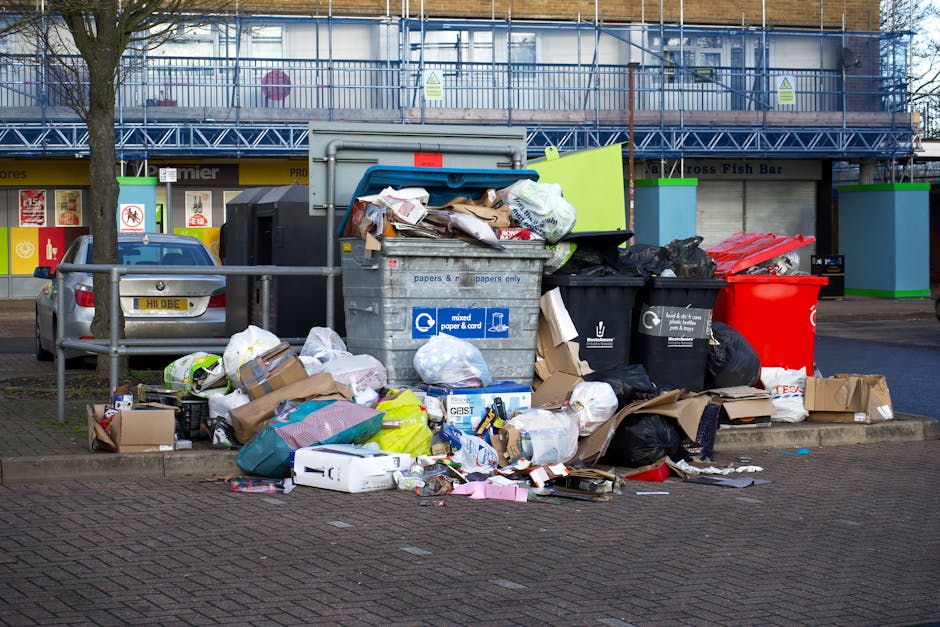
If you live or work around Millbank Estate, getting rubbish collected efficiently is often less about the bag itself and more about where it is placed. The right pick-up spot can make a job quick and tidy; the wrong one can create blocked access, missed collections, complaints from neighbours, or even safety issues for the people handling the waste. This guide on Millbank Estate Rubbish Pick-Up: Best Collection Spots explains the practical side of choosing collection points, planning an easy handover, and avoiding the common mistakes that slow everything down.
Whether you are clearing household clutter, office waste, a flat, or a heavier load such as furniture or builders' debris, the same principles apply: keep access simple, protect the estate's shared spaces, and use collection spots that work for both residents and crews. Truth be told, good rubbish pick-up is mostly about logistics done well.
This article covers the best collection areas to consider, how rubbish pick-up typically works in estate settings, what to avoid, and how to match the right service to the kind of waste you need removed.
Why Millbank Estate Rubbish Pick-Up: Best Collection Spots Matters
On an estate like Millbank, collection points are not just convenient-they shape the whole waste removal experience. Shared access roads, internal courtyards, bin stores, car parks, and frontage areas all come with different practical limits. If the waste is left in the wrong place, the crew may not be able to reach it safely, residents may lose access, and the pick-up can turn into a delay-heavy repeat visit.
The best collection spots are usually the ones that balance three things: easy access, safe handling, and minimal disruption. That might mean a rear service entrance for some properties, a designated bin area for others, or a bay close to the lift for a flat clearance. The "best" spot is rarely the nearest spot. It is the one that allows the job to happen smoothly without creating a mess for everyone else.
This matters even more if the items are awkward. Sofas, office desks, broken cabinets, garden waste sacks, and mixed household rubbish all behave differently. A tidy path from the collection point to the vehicle can save a surprising amount of time and strain. It can also help reduce handling risks, which is why many reputable operators align their approach with a published health and safety policy and clear insurance and safety standards.
Practical takeaway: the best collection spot is the one that lets rubbish leave the estate quickly, safely, and without inconveniencing neighbours or blocking shared areas.
For many readers, the decision is also about trust. If you know the collection will be carried out professionally, you can plan a clear-out with far less stress. That is especially useful when you are juggling a move, refurbishment, tenancy change, or office refresh. Related services such as flat clearance, house clearance, and office clearance are often built around those real-world access constraints.
How Millbank Estate Rubbish Pick-Up: Best Collection Spots Works
The process is usually straightforward once you understand the flow. First, the waste needs to be gathered into a location the crew can safely reach. Then the items are assessed for type, weight, and handling requirements. Finally, they are loaded and removed in line with the property's access rules and the service booked.
In estate settings, collection often works best when the waste is staged in a clear, visible, and legitimate location. That could be:
- a ground-floor access point near a service door
- a managed bin store with enough room for brief loading
- a car park edge or loading bay where permitted
- a sheltered internal courtyard with vehicle access nearby
- a designated collection area agreed in advance with building management
The exact choice depends on the building layout, the amount of waste, and whether there are restrictions on parking, noise, or use of common parts. A one-bedroom flat clear-out, for example, might only need a short walk from the lift to the collection vehicle. A builders' waste job may need a wider, sturdier location and a safer route for heavier materials. If you are dealing with renovation leftovers, a dedicated builders' waste clearance service is often a better fit than a general rubbish collection.
Good planning also includes timing. Early morning or quieter off-peak periods can be easier on an estate than busy times when residents are arriving, deliveries are happening, or parking spaces are limited. In practice, that small scheduling decision can save a lot of friction.
If the job involves mixed waste, separating reusable items from general rubbish helps too. For example, old furniture can often be routed differently from bagged waste, and specialist furniture disposal or furniture clearance may be more efficient when the collection point is planned around bulky item movement.
Key Benefits and Practical Advantages
Choosing the right collection spot does more than make life easier for the removal team. It creates practical advantages for residents, building managers, and anyone trying to clear waste without drama.
- Faster collection: Less time spent navigating obstacles means quicker removal.
- Lower handling risk: Fewer awkward lifts and fewer trips through tight spaces.
- Better presentation: Shared areas stay cleaner and more orderly.
- Less neighbour disruption: A well-chosen spot reduces noise, blocking, and confusion.
- Improved planning: You can match the right crew, vehicle size, and equipment to the job.
Another benefit is predictability. When collection points are clearly chosen and communicated, there is less back-and-forth on the day. That matters if you are trying to coordinate a tenancy end, an office move, or a whole-property clear-out. A clear plan also supports better waste sorting, which links naturally to broader recycling and sustainability practices.
There is also a cost angle. While pricing varies by volume, access, and waste type, efficient collection usually reduces wasted time. And wasted time is rarely free, even if it is hidden inside the overall service. If you are comparing options, it is sensible to review pricing and quotes early, especially for larger or mixed loads.
In short: the right spot often gives you a cleaner result, a calmer day, and fewer surprises. That is a worthwhile trade.
Who This Is For and When It Makes Sense
This topic is relevant to anyone dealing with waste on or around Millbank Estate, but some people benefit more than others.
Residents in flats or converted buildings
If you live in a flat, access can be the main challenge. Stairs, narrow hallways, shared entrances, and controlled courtyards all shape where rubbish can be placed. A good collection spot may be the difference between a smooth flat clearance and a day of moving items twice.
Landlords and managing agents
For those responsible for common areas, the goal is to keep communal spaces usable and compliant with building expectations. A planned pick-up reduces abandoned items in corridors or by entrances, and it helps avoid disputes over who left what.
Businesses and office occupiers
If your workspace is within or near the estate, you may need regular or one-off waste clearance. Office moves often produce paper waste, furniture, storage units, and electronics, so choosing a collection point that supports a quick vehicle load is practical. A dedicated business waste removal or waste removal service can help with that.
People clearing garages, lofts, or gardens
Sometimes the waste starts at home but ends up needing estate access. A loaded garage, a loft full of seasonal clutter, or a garden clearance may generate enough material that the collection spot becomes a real planning decision. If that sounds familiar, services like garage clearance, loft clearance, and garden clearance are worth considering.
When does it make sense to take the time to choose carefully? Almost always, if you have more than a small bin bag, if the item is bulky, or if the area is shared with other residents. The bigger the load, the more helpful the right collection spot becomes.
Step-by-Step Guidance
Here is a practical way to plan a rubbish pick-up on Millbank Estate without turning it into a logistical puzzle.
- Identify the waste type. Separate general rubbish, bulky items, recyclables, and any construction debris. Different materials may need different handling.
- Check access routes. Look at the shortest safe route from the storage point to the vehicle access area. Watch for steps, locked doors, tight corners, and low ceilings.
- Choose the collection spot. Pick a place that is legal, visible, and not likely to block residents or service access.
- Clear the route. Remove trip hazards, mats, loose boxes, and anything that could catch on wheels or damage walls.
- Stage items sensibly. Group waste by category if possible, and keep sharp, heavy, or unstable pieces separate.
- Confirm timing. Book the collection for a time that works with the building's routine and access arrangements.
- Communicate clearly. If you share the building with others, let the relevant people know what is happening and when.
- Check the aftermath. After pick-up, make sure no fragments, liquids, or packaging are left behind.
A simple example: if you are clearing a two-bedroom flat, you might stack sealed bags just inside a ground-floor entrance or in a managed loading area rather than leaving them in the open walkway. That small decision keeps the estate looking tidy and gives the crew a straightforward lift-out.
If you want to combine speed with convenience, it is worth speaking with a service provider before the day. That lets you clarify access, vehicle size, and item type in advance, which is often the point where delays are prevented rather than solved later.
Expert Tips for Better Results
Small details make a noticeable difference with estate pick-ups. These are the habits that tend to separate a smooth job from a clumsy one.
- Use a collection point with a clear line of travel. Even a short obstruction can slow everything down if bulky items are involved.
- Avoid "temporary" pile-ups in communal space. A few hours can easily become a day or two, and that is when complaints begin.
- Break down items where safe to do so. Flat-pack furniture, cardboard, and removable parts are easier to move and may create more efficient loading.
- Keep wet waste separate. Damp waste can make bags heavier and messier than expected.
- Think about lifting angles. A decent spot is not only about distance; it also needs workable turning space.
- Book the right service first. A general rubbish collection is not always the best answer for furniture, mixed household clearances, or heavier renovation waste.
One practical observation from real estate jobs: the collection spot that looks "fine" on paper can turn awkward in person if there is a tight corner or a door that only opens halfway. A quick pre-check saves more trouble than most people expect.
Another good habit is to treat sustainability as part of the process, not an afterthought. Reusable items can sometimes be diverted separately, and recyclable materials are easier to handle when they are not mixed into a single unruly heap. That is where a service with clear recycling and sustainability guidance becomes genuinely useful.
Common Mistakes to Avoid
Most problems with estate rubbish pick-ups come from a handful of avoidable errors. The good news is that they are easy to spot once you know what to look for.
- Choosing a spot that blocks access. If pedestrians, delivery drivers, or residents cannot pass easily, it is probably the wrong place.
- Leaving waste in a no-drop area. Shared entrances, fire routes, and restricted zones are not suitable collection points.
- Mixing very different waste types. General rubbish, furniture, soil, rubble, and electrical items should not always be handled the same way.
- Ignoring building rules. Estate management, concierge teams, or landlords may have specific preferences for loading areas and timings.
- Underestimating volume. A few extra bags can become a vehicle planning issue fast.
- Forgetting protection for walls and floors. Heavy items can scuff paint, dent corners, or mark lifts if the route is too tight.
There is also a subtle but important mistake: assuming the nearest bin store is automatically the best collection point. Sometimes it is, but sometimes it is a poor choice because it is congested, shared, or difficult to access with larger items. Better to judge the route than the convenience alone.
If the job is sensitive or complex, review the provider's policies before booking. Pages such as terms and conditions and health and safety policy can help you understand expectations, responsibilities, and what happens if access turns out to be more complicated than planned.
Tools, Resources and Recommendations
You do not need specialist equipment for every pick-up, but a few simple tools can make the process cleaner and faster.
- Heavy-duty sacks or bins: useful for keeping lighter waste contained and easy to carry.
- Gloves and basic protective gear: sensible for anyone moving sharp or dusty items.
- Trolley or sack truck: helpful for flats, offices, and longer corridors.
- Labels or markers: good for separating rubbish from reusable items or materials to recycle.
- Measuring tape: surprisingly useful when checking if a sofa, desk, or appliance will fit through the route.
Beyond tools, the most useful resource is often the right service page. For example, if the waste is tied to a full home clean-out, the broader home clearance or house clearance options may suit you better than a one-off rubbish run. For smaller domestic jobs, flat clearance is especially relevant in estate environments where access is limited.
If you are unsure where to start, a sensible first move is to request a quote and explain the access situation clearly. That helps the provider advise on vehicle size, timing, and any limitations before the work begins. You can do that through the site's contact page or by reviewing pricing and quotes information first.
For homeowners dealing with mixed items, the right mix of services matters. A garage clear-out may need garage clearance, while old household furnishings may be better handled through furniture clearance or furniture disposal.
Law, Compliance, Standards, or Best Practice
Waste handling in the UK is shaped by legal duties, building rules, and normal industry best practice. You do not need to memorise legislation to book a collection, but you should understand the basics. Waste should be stored, moved, and transferred responsibly, and it should not be left in a way that causes obstruction, hazard, or nuisance.
For estate pick-ups, the practical compliance questions are usually:
- Is the collection point permitted by the building or managing agent?
- Can the route be used safely without blocking shared access or fire routes?
- Is the waste correctly described so it can be handled properly?
- Are any materials potentially reusable or recyclable?
Best practice also includes using a provider that is transparent about safety, handling, and secure payments. That is why pages such as insurance and safety and payment and security matter even when the job itself seems simple.
Where sustainability is concerned, the responsible approach is to reduce unnecessary landfill where practical and sort items sensibly. That does not mean every item can be reused or recycled, but it does mean the decision should be made carefully rather than by default. If you want to understand the broader approach, the company's recycling and sustainability page is a useful place to begin.
If a job needs to be handled with extra care because of access or building constraints, it is fair to ask how the provider works, what their procedures are, and how issues are resolved if plans change. For service reassurance, the complaints procedure can also be useful background.
Options, Methods, or Comparison Table
Not every collection spot or method suits every type of waste. The right choice depends on volume, item size, and how busy the estate is. Here is a simple comparison to help you choose wisely.
| Collection method | Best for | Pros | Watch-outs |
|---|---|---|---|
| Frontage or roadside handover | Bagged waste and smaller loads | Quick, visible, easy to coordinate | May block access or attract complaints if left too long |
| Bin store staging | Managed estates with a designated area | Contained and discreet | Space may be tight; access must be agreed |
| Loading bay or service entrance | Bulky furniture or larger clearances | Efficient for heavier items | Often needs advance permission and timing control |
| Ground-floor internal drop point | Flat clearances and domestic items | Short carry distance, less lifting strain | Must not obstruct communal routes |
If you are comparing services as well as spots, think in terms of fit. A smaller domestic job may only need a simple collection arrangement, whereas an office move or mixed waste project may benefit from a more structured office clearance or broader waste removal solution.
The table is not a rulebook, but it helps narrow the decision. The practical goal is always the same: find the route that is safe, efficient, and least disruptive.
Case Study or Real-World Example
Consider a typical flat clearance scenario on an estate in Millbank. A resident is moving out and needs to remove three black sacks, a dismantled wardrobe, an office chair, and a few boxes of mixed household clutter. The original idea is to leave everything beside the nearest communal entrance for collection.
That sounds convenient, but it creates two problems. First, the entrance is also used by neighbours and delivery drivers. Second, the wardrobe panels are too awkward to carry safely through the tight corner right beside the door. Instead, the better plan is to stage the waste in a ground-floor area just inside the route to the service exit, where it is visible, not obstructive, and easier to lift in one sequence.
Because the collection point is planned properly, the crew can move from the staging area to the vehicle without repeated repositioning. The furniture is handled with less risk of scuffing walls, the corridor stays clear, and the resident avoids a complaint from the building side. That is the kind of small operational win that makes a big difference.
In another common scenario, a small business clearing out desks and boxes from a nearby office chooses a service bay rather than the front entrance. That decision makes the load-out faster and more discreet. For a job like that, a service aligned with business waste removal and office clearance is usually the right fit.
These examples are simple, but they capture the point: the best collection spot is the one that fits the waste, the building, and the pace of the day.
Practical Checklist
Use this checklist before the collection day. It keeps the process calm and prevents last-minute surprises.
- Have you identified the waste type and estimated how much there is?
- Is the chosen collection spot allowed by the building or estate rules?
- Will the spot avoid blocking entrances, hallways, fire routes, or parking access?
- Are bulky items broken down where safe and practical?
- Are sharp, wet, or heavy items separated and labelled sensibly?
- Have you checked the route from the storage point to the collection area?
- Do the date and time work for the estate's daily traffic patterns?
- Have you reviewed service details, including pricing and safety information?
- Do you know who to contact if access changes on the day?
- Have you confirmed whether any reusable items should be handled separately?
If you can tick most of these off, the pick-up is likely to be straightforward. And if one or two points are uncertain, that is exactly the stage where a quick conversation with the provider helps.
Get a free quote today and see how much you can save.
Conclusion
Getting rubbish picked up on Millbank Estate is rarely difficult when the collection spot is chosen with care. The best location is usually the one that keeps access simple, respects shared areas, and suits the kind of waste you are moving. A good spot can reduce delays, prevent avoidable damage, and make the whole process feel more organised from the start.
If you are planning a flat clearance, bulky item removal, garden waste job, or office clean-out, think about the route before you think about the load. That one habit tends to improve everything else. It also makes it easier to match your needs with the right service, whether that is home clearance, furniture disposal, or a broader waste removal arrangement.
When in doubt, choose the place that creates the least disruption and gives the crew the cleanest path. That simple rule saves time, protects the property, and keeps everyone happier.
Frequently Asked Questions
Where is the best place to leave rubbish for collection on Millbank Estate?
The best place is usually a designated, accessible area that does not block entrances, fire routes, or shared walkways. A ground-floor service point, loading bay, or agreed bin-store area often works best if permitted.
Can I put rubbish outside my flat door for pick-up?
Usually not if it blocks a communal route or breaches building rules. In most estates, waste should be placed in a clearly agreed collection point rather than left in corridors or by doors.
What kind of waste needs a specialist collection rather than a general pick-up?
Bulky furniture, builders' rubble, mixed renovation debris, and some office clear-out materials often need a more suitable service than a standard rubbish lift. Matching the service to the waste keeps the collection smoother.
How do I know if a collection spot is safe?
Look for a route that avoids trip hazards, sharp corners, tight turns, and blocked access. If items need to be carried by hand or on a trolley, the path should be clear and stable.
Is it better to use a bin store, a loading bay, or the street edge?
It depends on the estate layout and what the building allows. Bin stores suit contained loads, loading bays suit bulkier items, and roadside handovers can work for smaller collections if they do not obstruct traffic or residents.
What should I do with furniture before collection?
If safe, break down removable parts, take off loose cushions or shelves, and keep screws or small fittings in a labelled bag. This makes furniture clearance and loading much easier.
Do I need to separate recyclable items?
It is a good idea where practical. Separating cardboard, reusable furniture, and other recyclable material can support more responsible handling and may improve the efficiency of the removal.
How far in advance should I plan a rubbish pick-up?
For a simple collection, a short lead time may be enough. For larger clearances, estate access issues, or bulky items, planning earlier is sensible so the right route and vehicle can be arranged.
What if the collection spot is too small for the load?
Then the job should be broken into smaller staging areas or scheduled differently. Trying to force everything into one cramped location usually causes delays and handling problems.
Can a rubbish collection be arranged for office waste on the estate?
Yes, if the provider offers business-focused services and the access point suits desks, boxes, and other office items. A dedicated business waste removal or office clearance option is often the better choice.
How do I avoid complaints from neighbours?
Keep the collection area tidy, avoid noisy activity at busy times, and do not leave rubbish in shared spaces longer than necessary. Clear communication and sensible timing go a long way.
Where can I learn more about the company's policies and trust information?
You can review pages such as about us, health and safety policy, insurance and safety, and terms and conditions for background before booking.