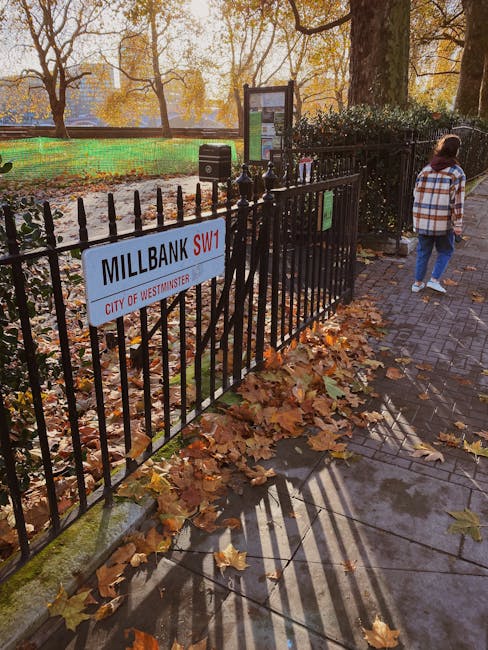
SW1P rubbish collection options for Millbank residents
If you live in Millbank, you already know that rubbish has a habit of becoming urgent at the least convenient moment. A moving day pile by the hallway, a broken wardrobe you can't quite wrestle down the stairs, or a garden tidy-up after a damp weekend, and suddenly you're searching for the best SW1P rubbish collection options for Millbank residents. The good news? There are sensible ways to deal with it, whether you need a one-off bulky item pick-up, a flat clearance, or a faster same-day removal.
This guide breaks down the practical choices, what each option is best for, what to watch out for, and how to avoid the usual headaches. If you want a clean result without overpaying or making a mess of compliance, you're in the right place.
Table of Contents
- Why SW1P rubbish collection options for Millbank residents Matters
- How SW1P rubbish collection options for Millbank residents Works
- Key Benefits and Practical Advantages
- Who This Is For and When It Makes Sense
- Step-by-Step Guidance
- Expert Tips for Better Results
- Common Mistakes to Avoid
- Tools, Resources and Recommendations
- Law, Compliance, Standards, or Best Practice
- Options, Methods, or Comparison Table
- Case Study or Real-World Example
- Practical Checklist
- Conclusion
- Frequently Asked Questions
Why SW1P rubbish collection options for Millbank residents Matters
Millbank sits in a part of London where space is precious, streets can be busy, and quick decision-making matters. That combination makes rubbish collection feel more complicated than it should. A small amount of clutter in a house with a decent driveway might be a five-minute task. In a Westminster flat, especially one without lift access or with limited outside storage, it can become a proper project.
That's why knowing your options matters. You do not want to leave a sofa balanced in a hallway for days, and you definitely do not want bags building up in the wrong place because you are waiting for the "perfect" solution. In practice, the best approach is usually the one that fits the type of waste, the urgency, and the access at your property.
There is also a trust issue. Some services are geared towards simple domestic clearance, while others handle mixed loads, heavy furniture, or business waste. Pick the wrong one and you may pay more, wait longer, or end up with leftovers that still need removing. To be fair, nobody wants that second round of hassle.
Expert summary: The best rubbish collection choice in SW1P is rarely the cheapest headline price. It is the option that matches your waste type, building access, timing, and disposal needs with the least friction.
That is especially true in Millbank, where residents often deal with flats, managed buildings, office-to-home moves, and awkward bulky items. The right choice saves time, reduces stress, and keeps shared spaces tidy for everyone.
How SW1P rubbish collection options for Millbank residents Works
Most rubbish collection in Millbank falls into a few broad categories. Some are arranged through local authority services, some through private collectors, and some through specialist clearance teams. The important thing is understanding what each method is designed to do. Once you do that, the choice becomes much easier.
1. Council-style collection routes
In many London areas, residents can use council-provided collection systems for certain waste types or bulky items. These are usually best for straightforward household waste where you are happy to work around the council's booking rules and timing. The process tends to be more structured, sometimes slower, but often suitable for standard domestic disposal needs.
2. Private rubbish collection
Private rubbish collection is often the flexible option. If you need a quick turnaround, have mixed waste, or need help carrying items from an upper-floor flat, a private team can be more practical. This is where services such as general waste removal become useful, especially when you want one visit to deal with a load that would otherwise take several trips.
3. Specialist clearances
Not all rubbish is equal. A flat clearance, garage clearance, loft clearance, or office clearance may involve sorting, lifting, and separating different materials. For example, a two-bedroom flat being emptied after a move is a very different job from taking away three bin bags and an old desk. Specialist services are better when the waste is bulky, awkward, or tied to a specific room or property type.
4. Item-specific disposal
Sometimes you do not need a full clearance at all. A single mattress, a broken wardrobe, or a tired sofa might be the only item in question. In those situations, a more focused service can be the sensible middle ground. If you're mainly shifting old seating, furniture clearance can be a better fit than booking a broader clearance job.
It helps to think of the process like this: first identify the waste, then judge the volume, then decide how quickly it needs to go. Simple. Not always easy, but simple.
Key Benefits and Practical Advantages
Using the right rubbish collection option in SW1P is about more than getting things out of your sight. It can genuinely make life easier in a few specific ways.
- Less disruption: A good service clears the waste in one go rather than leaving you to handle multiple lift-and-carry trips.
- Better use of space: In Millbank flats, even one bulky item can dominate a room. Clearing it quickly gives you breathing room again.
- Safer handling: Heavy or sharp waste can be risky to move without the right equipment. Proper collection reduces the chance of injury or damage.
- Cleaner shared areas: In apartment buildings, rubbish in hallways or entrances can create problems with neighbours and managing agents.
- More predictable costs: Reputable providers usually give a quote based on volume, item type, or load size, so you can budget with fewer surprises.
There is also the less obvious benefit: peace of mind. You know the waste is gone, it has been dealt with properly, and you can get on with your day. It sounds basic, but that sense of closure matters when you've had a stressful week and the spare room still looks like a storage cupboard exploded.
If sustainability matters to you, it is worth looking at how a provider approaches sorting and recycling. A responsible service should aim to reuse or recycle where possible rather than treating everything as landfill-bound. For more on that approach, see recycling and sustainability.
Who This Is For and When It Makes Sense
SW1P rubbish collection options for Millbank residents are relevant to a surprisingly wide group of people. It is not just for big house moves or dramatic clear-outs. In everyday life, the need often creeps up more quietly than that.
Typical residents who benefit
- Flat owners and tenants with limited bin storage
- People moving in or out of managed buildings
- Landlords preparing a property between lets
- Families dealing with furniture replacement
- Home workers clearing old office equipment
- Anyone with bulky waste that will not fit ordinary household collection routines
Situations where it makes sense
It makes sense when the waste is too much for normal bins, too heavy to carry yourself, or too awkward to store while waiting for a later date. A typical example is a Millbank resident replacing a sofa, bookcase, and broken TV stand after a flat refurbishment. Another is a business owner in the area needing an office declutter at the end of a lease. For those jobs, office clearance can be far more practical than trying to organise separate disposal trips.
It also makes sense when you are short on time. Let's face it, most people don't plan rubbish removal as a hobby. It usually appears when you are already busy.
Step-by-Step Guidance
If you want the process to go smoothly, a little preparation helps a lot. Here is a practical way to handle rubbish collection in Millbank without making it harder than necessary.
- Identify the waste type. Separate general household rubbish, furniture, cardboard, garden waste, builders' waste, and anything potentially hazardous. A mixed pile can be dealt with, but it's easier to quote accurately when you know what's in it.
- Estimate the volume. Is it one item, half a van load, or enough to fill a room? A rough sense of volume helps decide whether a small collection or a full clearance is appropriate.
- Check access. Note stairs, narrow hallways, lift availability, parking restrictions, and any concierge arrangements. In Millbank, access details can make a huge difference to timing and cost.
- Decide your timing. Do you need same-day help, or can it wait a few days? If you are under pressure, a fast service may be worth it. If not, you may have more options.
- Ask for a clear quote. A decent quote should explain what is included, what happens if the load changes, and whether labour or disposal is built in.
- Prepare the items. Keep waste in one place if possible. Dismantle furniture only if that actually saves time and effort; sometimes it does, sometimes it just creates extra screws and frustration.
- Confirm disposal standards. Make sure the provider handles items responsibly and can cope with the waste stream you have.
A small practical example: if you are clearing a one-bedroom flat after a new bed delivery, put the old frame, packaging, broken bedside table, and any loose cardboard together in one accessible spot before collection day. That single bit of organisation can shave off a lot of faff.
Expert Tips for Better Results
After plenty of clearance jobs, a few patterns become obvious. The smoothest collections are rarely the most complicated ones. They are the ones where the customer has thought through the basics ahead of time.
Tip 1: Separate what can be recycled
If your waste is already partly sorted, the process tends to run more efficiently. Cardboard, metal, wood, and reusable furniture are often easier to handle when they are not hidden under mixed clutter. Even a little sorting can help. It doesn't need to be museum-grade neatness.
Tip 2: Keep the access route clear
Before the team arrives, move shoes, plant pots, bikes, or anything else that might slow carrying. In a tight Millbank hallway, one small obstruction can become a surprisingly annoying bottleneck.
Tip 3: Be honest about the load size
Underestimating the amount of rubbish is one of the easiest ways to cause awkward price changes or delays. If you are unsure, err on the side of caution. Better to describe the pile clearly than to pretend it is tiny and then discover it is, well, not tiny.
Tip 4: Ask what happens to specialist items
Some items need more than simple disposal. Broken appliances, bulky furniture, or mixed materials may need different handling. If you have items that look unusual, ask the provider how they manage them before booking.
Tip 5: Use the right service for the right job
A builder's rubble job is not the same as a home declutter. If you are dealing with renovation waste, a service such as builders waste clearance is usually more appropriate than a generic pick-up. The same logic applies to garden debris, garage clutter, or whole-house clearances.
Small detail, big difference.
Common Mistakes to Avoid
The quickest way to turn a simple clearance into a frustrating one is to make assumptions. Here are the most common pitfalls people run into in SW1P.
- Choosing only on price: The cheapest quote is not always the best value if the service is slow, vague, or excludes labour.
- Not checking access: If a van cannot park near the property or items must be carried far, the job takes longer and may cost more.
- Mixing everything together: Although mixed waste can be collected, making it impossible to identify item types can complicate quoting and sorting.
- Leaving the job to the last minute: This is especially annoying during moves or refurbishments, when deadlines are already tight.
- Ignoring building rules: Managed properties often have shared-space requirements. A quick check can prevent complaints later.
- Forgetting about recycling potential: Some furniture and materials may be suitable for reuse or separate recycling. Throwing everything into one pile can waste that opportunity.
There is a broader point here too: rubbish collection is not just about removal, it is about responsible disposal. That distinction matters more than people think, particularly in London buildings where neighbours notice everything.
Tools, Resources and Recommendations
You do not need fancy equipment to organise rubbish collection, but a few basic tools and reference points help keep the process under control.
- A tape measure: Useful for checking whether furniture will fit through doors or lifts before moving day.
- Basic labels or marker pens: Handy for marking what is going, what is staying, and what is donation-ready.
- Heavy-duty bags and boxes: Better for sharp or loose waste than flimsy shopping bags that split at the worst possible moment.
- Phone photos: A quick set of pictures can make quoting easier and more accurate.
- A simple room-by-room plan: Particularly useful for flat clearances, lofts, or combined home and office declutters.
If you are dealing with furniture, it can help to use a service specifically set up for that kind of waste. furniture disposal is often the cleaner route for sofas, tables, and other larger items that would be difficult to break down and transport yourself.
For bigger domestic clearances, the more comprehensive route may be better. A house clearance is usually a stronger option when multiple rooms, cupboards, and storage spaces are involved. If the issue is more compact, a flat clearance may be the more sensible fit.
Law, Compliance, Standards, or Best Practice
Waste removal in London is not something to treat casually. Even if the job seems small, waste still needs to be handled lawfully and with care. You do not need to be an expert in regulations, but you should know the basics.
As a resident, your practical responsibility is to use a collection method that does not create nuisance, unsafe storage, or fly-tipping risks. In plain English: do not leave waste where it blocks communal areas, do not hand it to someone who cannot dispose of it properly, and do not assume that "someone else will sort it out" is a safe plan. It rarely is.
If a provider removes waste on your behalf, it is sensible to ask how they dispose of it and whether they follow proper environmental and safety practices. Good operators should be able to explain their process in straightforward terms. They do not need to sound like a legal textbook, just clear and credible.
For more detail on company standards and how a provider approaches safety, it can also be useful to review health and safety policy and insurance and safety. Those pages help signal whether the business takes its duties seriously, which is exactly what you want when waste has to be moved through stairs, corridors, or busy streets.
If you are booking a service, check the terms carefully. That includes what is included in the quote, how access issues are handled, and whether the team can take the exact item types you need removed. Good best practice is simple: clarity first, collection second.
Options, Methods, or Comparison Table
Here is a practical comparison of the most common rubbish collection options for Millbank residents. It is not a perfect one-size-fits-all answer, but it should help you narrow things down quickly.
| Option | Best for | Typical strengths | Possible drawbacks |
|---|---|---|---|
| Council-style collection | Standard household waste or approved bulky items | Clear process, familiar to residents | Can be less flexible and slower |
| Private waste removal | General waste, mixed loads, urgent collections | Flexible timing, labour included, faster response | Prices vary more by load size and access |
| Flat clearance | Apartment moves, tenant changeovers, cluttered flats | Good for stairs, lifts, and communal access issues | May need clear instructions on what stays and goes |
| Furniture clearance/disposal | Sofas, wardrobes, tables, mattresses | Useful for bulky item removal | Not ideal if you have mixed waste too |
| Builders waste clearance | DIY or renovation debris | Suitable for heavy, dusty, awkward waste | May exclude certain materials or require separate handling |
| Garden clearance | Cuttings, branches, soil, outdoor clutter | Keeps outside areas tidy quickly | Best when green waste is separated |
If you are comparing routes, think about the whole job rather than the most obvious item. A single broken chair can often go with furniture disposal. But if that chair is only one part of a larger lounge clear-out, a broader waste removal option may be smarter and, honestly, less annoying.
Case Study or Real-World Example
Picture a fairly typical Millbank scenario. A resident is moving out of a riverside flat and discovers a mix of old shelving, a chipped coffee table, cardboard from new furniture, and a couple of bags of general rubbish tucked into the corner of the utility space. The lift is small, the stairwell is narrow, and collection day is looming.
At first glance, the job looks manageable. But once you start moving items, you realise the shelving does not fit neatly in the lift, the cardboard is taking up more space than expected, and the hallway is becoming cluttered. That is the point where a focused clearance service becomes much more appealing than trying to "just do it yourself" over a few exhausted trips.
In that sort of case, the smartest route is usually to group the waste by type, take photos, check access, and book the right service in one go. If the waste is mostly domestic clutter, home-oriented options like home clearance may suit. If the waste is more garage-like overflow, then garage clearance could be the closer match. Simple match, better result.
The resident in this example does not need a dramatic intervention. They just need a service that fits the reality of the flat. That is the whole game, really.
Practical Checklist
Use this checklist before booking or arranging rubbish collection in SW1P. It saves time, and it stops the little mistakes that become big annoyances later.
- Confirm the exact waste type: household, furniture, builders' waste, garden waste, or mixed items.
- Estimate quantity: one item, small load, half load, or full clearance.
- Check access: stairs, lift, parking, loading bay, entry codes, concierge rules.
- Decide urgency: same-day, next-day, or flexible timing.
- Photograph the waste: useful for accurate quoting.
- Separate anything reusable or recyclable: especially cardboard and some furniture.
- Clear the route: hallways, doorways, and landing spaces.
- Ask what is included in the price: labour, loading, disposal, and VAT if relevant.
- Confirm special item handling: mattresses, appliances, large furniture, or mixed materials.
- Check provider credibility: policies, insurance, and disposal standards.
If you are dealing with a focused job rather than a whole-property clearance, a dedicated service can be the most efficient choice. For example, furniture clearance, loft clearance, or garden clearance can each solve a very specific problem without paying for more than you need.
Conclusion
The best SW1P rubbish collection options for Millbank residents are the ones that match your waste, your building, and your timing without creating extra work. That might mean a private waste removal team, a specialist flat clearance, a furniture-only collection, or a more focused service for builders' debris or garden waste. There is no single perfect answer, but there is usually a very sensible one.
If you remember nothing else, remember this: match the service to the job, be clear about access, and do not leave disposal decisions until the last minute. That one habit will save you money, stress, and a fair bit of faff.
For a trusted local starting point, you can explore the services, learn more about the company, or review pricing and process before making a decision. If you want to compare practical options, a good place to begin is the main site and the relevant service pages, then work from there.
Get a free quote today and see how much you can save.
And if the pile is staring back at you from the corner of the room right now, don't worry. It has a way of looking bigger before it gets smaller. Once it's gone, the place always feels lighter.
Frequently Asked Questions
What are the main rubbish collection options for Millbank residents in SW1P?
The main options are council-style collections for eligible waste, private waste removal, and specialist clearances such as flat, furniture, home, or builders' waste removal. The best choice depends on the item type, volume, and how quickly you need it gone.
Is private rubbish collection better than waiting for a council collection?
Not always, but it is often more convenient if you need speed, help with lifting, or a mixed load. Council collections can work well for straightforward waste, while private collection is usually more flexible for busy London households.
How do I know whether I need a flat clearance or a furniture clearance?
If you are clearing multiple rooms or dealing with a general end-of-tenancy sort-out, flat clearance is usually the better fit. If the job is mainly old sofas, wardrobes, beds, or similar items, furniture clearance may be enough.
Can rubbish be collected from a flat with no lift?
Yes, in many cases. Just be upfront about stairs, access, and carrying distance. That detail affects both the time needed and the quote, so it is better to mention it early rather than on the day.
What should I do before booking a rubbish collection?
Identify the waste type, estimate the load size, take a few photos, and check access. If you can separate cardboard, furniture, or green waste in advance, that usually helps too.
Are same-day rubbish collection services available in Millbank?
Sometimes, yes. Availability depends on the provider, the time you call, and the size of the job. Same-day collection can be useful for urgent clear-outs, but it is not always needed if your timing is flexible.
What kinds of waste are usually accepted?
Commonly accepted items include general household waste, furniture, cardboard, office waste, garden waste, and many types of bulky items. Some materials may need special handling, so it is sensible to ask before booking.
How can I keep rubbish removal costs under control?
Be accurate about the volume, group similar items together, and choose the most specific service that fits the job. A targeted furniture clearance or garden clearance can be more efficient than booking a broader option you do not need.
Is it worth choosing a service that focuses on recycling?
Yes, especially if you care about what happens after collection. A service with a clear recycling approach can often sort reusable and recyclable materials more responsibly than a purely grab-and-go solution.
What if I only have one bulky item to dispose of?
Then a single-item collection or item-specific service is often the simplest route. One sofa, mattress, or wardrobe does not usually require a full clearance, and a more focused option may save money.
Do I need to worry about building rules or neighbour issues?
Yes, especially in shared buildings. Keep communal areas clear, avoid blocking entrances, and check whether your building has specific booking or loading arrangements. A little planning helps keep everyone happier.
How do I choose between cheap and reliable rubbish collection?
Look for clarity rather than the lowest headline number. A reliable provider should explain what is included, how access affects the job, and how waste is handled. Cheap can be fine, but only if it still does the actual job properly.